
Your trusted freight forwarding partner
Please contact us by email wanhanginfo@gmail.com

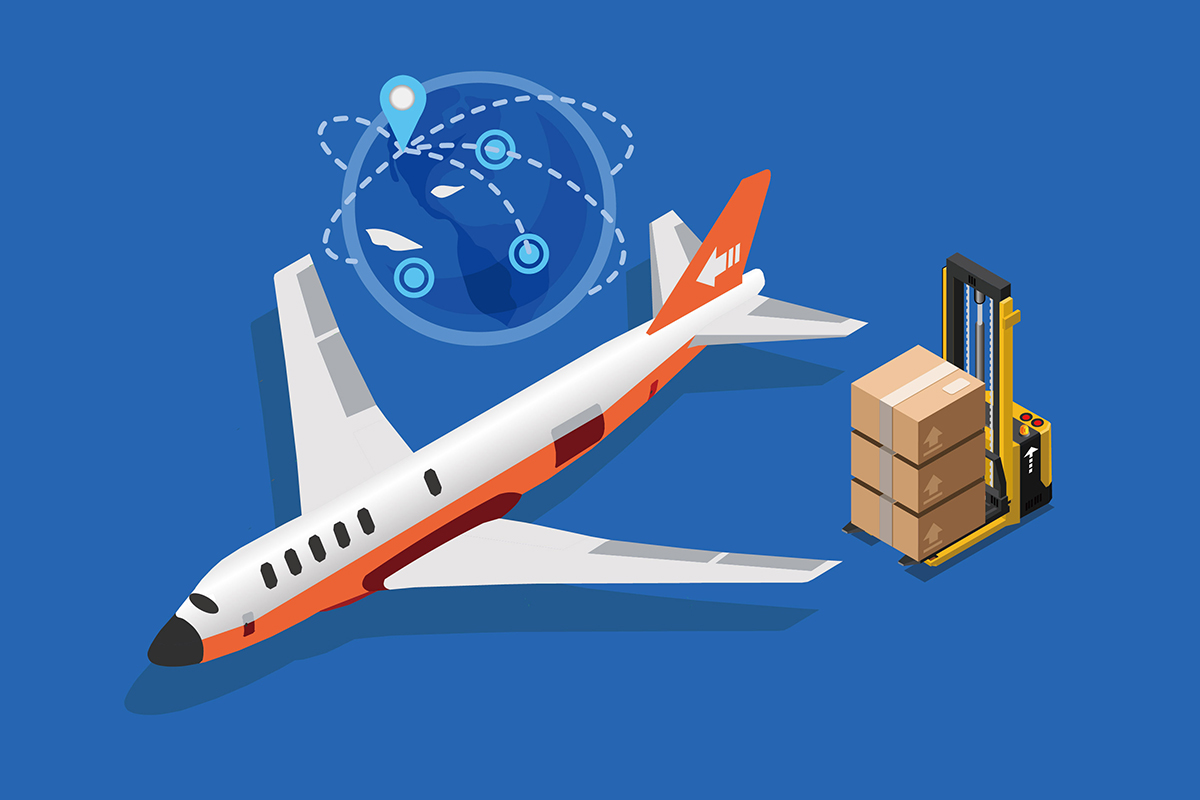
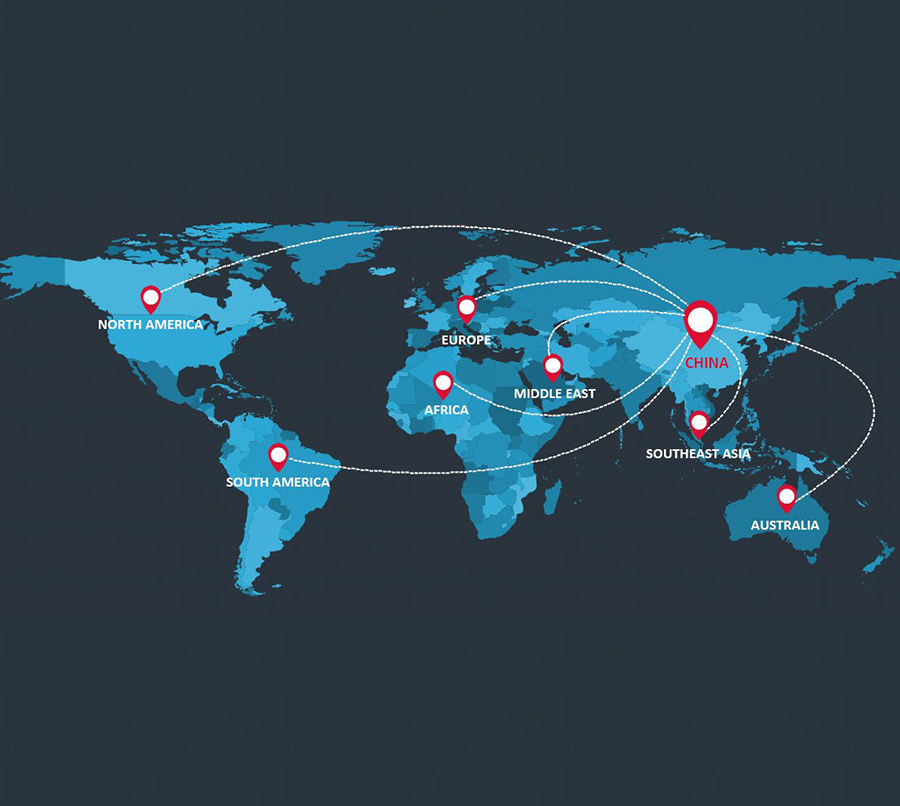
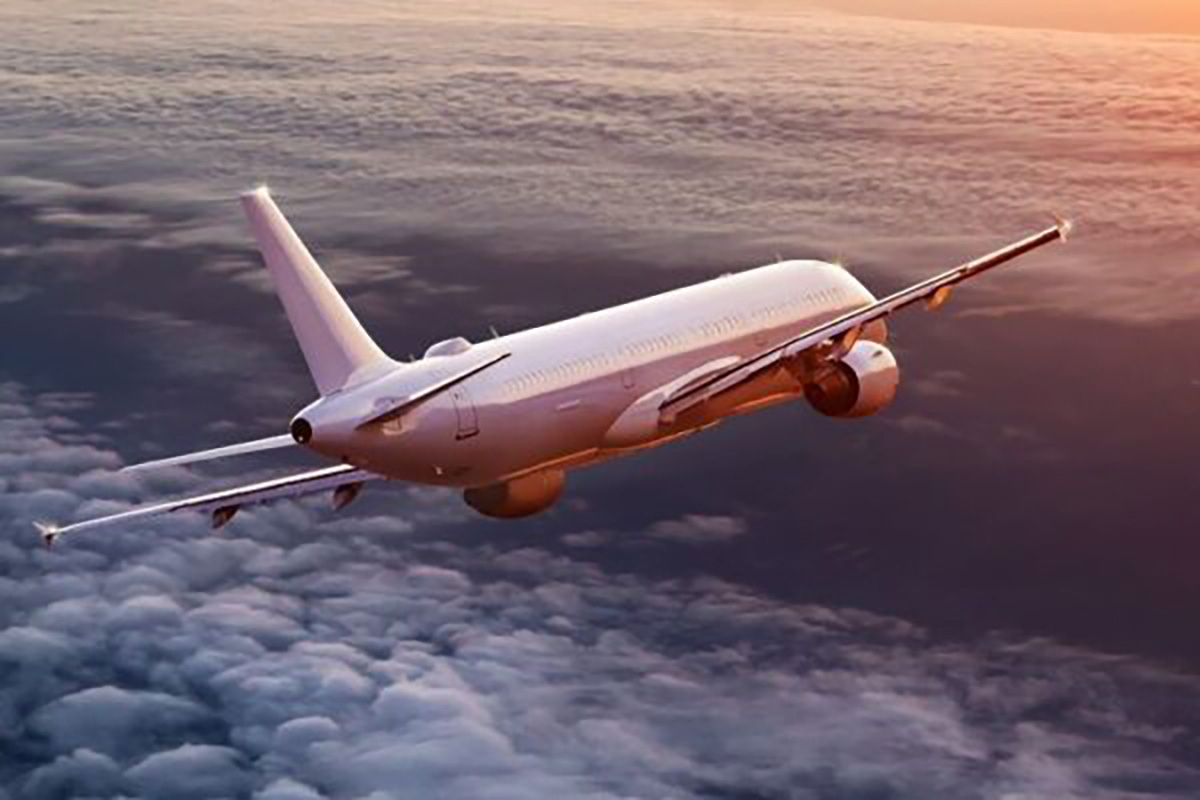
Compared to Chinese sea freight, choosing air freight has many advantages. The main advantage is a significant reduction in delivery time. Depending on the selected delivery destination, sea freight may take one month or longer. In contrast, air freight only takes five days to transport your goods from the factory workshop to your office.
By choosing air freight, you can save a lot of time.
However, it is worth noting that air freight is more expensive than sea freight. Although the delivery time is faster, air freight is not the preferred option due to higher costs. However, if you believe that time is money and can save about a month of shipping time, then paying additional shipping fees is reasonable.
Many importers prefer a hybrid approach, choosing to deliver some orders by air while the rest are shipped by sea. This strategy helps maintain sales while managing costs.
If you prefer to save costs and can accept slower delivery times, then sea freight may be your more ideal mode of transportation
Safe delivery is our top priority in our work; We have a vast network of shipping routes to ensure timely delivery of your goods to any corner of the world.
We provide direct air freight services from major international airports in China, ensuring the safe transportation of your air cargo in any situation.
Our well-trained team of experts can handle large-scale, multi-point delivery, as well as single point door-to-door transportation, and will work closely with you to find the most reliable, fastest, and cost-effective solutions that meet your needs.
Our overseas agents can provide comprehensive warehousing solutions, packaging, and labeling services, and coordinate customs clearance through our customs broker.
The air freight price depends on weight, but due to limited loading space, weight is not the only parameter that needs to be considered. Sometimes transportation companies charge based on the space occupied by the product rather than its weight. This is called volumetric weight.
This is to ensure that airlines can make profits even when transporting large but lightweight objects that occupy a lot of space.
It is important to understand the difference between actual weight and volumetric weight, as airlines may charge based on volumetric weight without your awareness
The common calculation method for volumetric weight is to use the formula 1CBM: 167KGS.
For example, if the size of the goods you send is 100cm x 100cm x 100cm and the weight is 100kg, the logistics company will not charge you based on the actual weight (100kg). Due to the size and space occupied by the package, the relationship between its size and weight must be converted.
Air freight is 1m × 1m × 1m=1CBM × 167=167KGS
As you can see, the volumetric weight is significantly greater than its actual weight.
So if we choose to transport by airline, the chargeable weight will not be 100KGS but 167KGS will be used as the chargeable weight.
But if the same size is 100cm x 100cm x 100cm and the weight is 300KGS, the chargeable weight will be the actual weight of 300KGS.
This is the standard practice in the logistics industry, as airlines charge based on the highest amount.
Therefore, in order to reduce transportation costs, it may be necessary to compress the packaging and reduce its measurement volume.
This helps ensure that packages are charged based on their actual weight rather than volumetric weight.
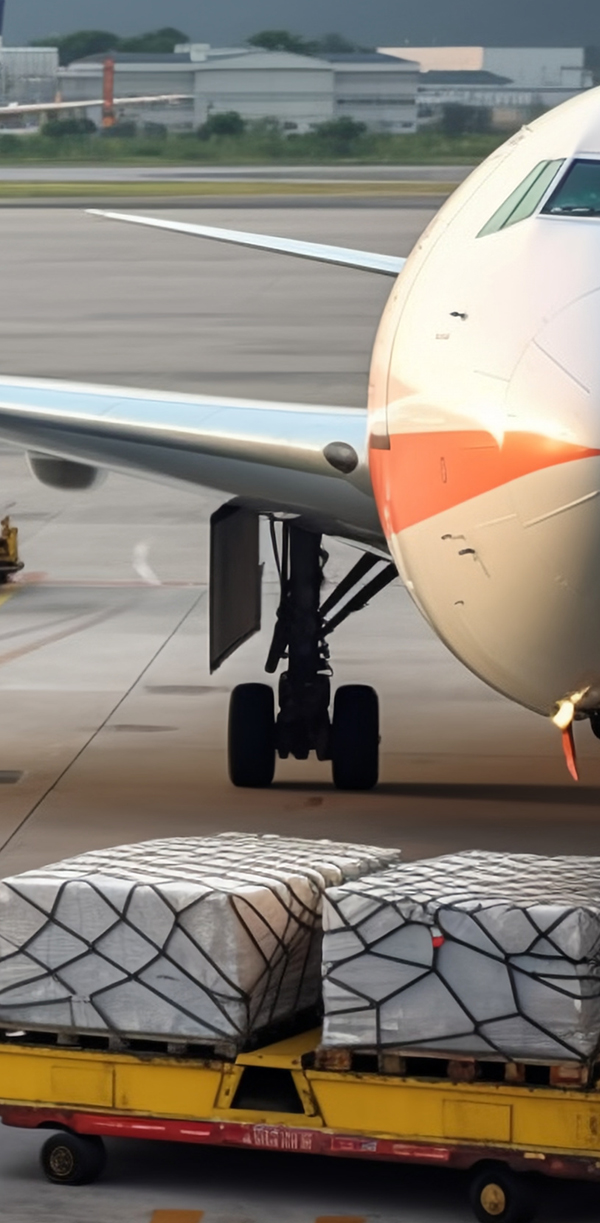
But it’s still useful to be familiar with the basic steps involved in successful air freight. These include preparing the shipment, the transportation itself, and then delivery.
1.Scheduling of the shipment
2.Packing the goods to be transported
3.Calculating the chargeable weight of the shipment, i.e., the higher amount of weight, based on the gross weight and the volumetric weight
4.Preparing the air waybill and other necessary documentation relating to the shipment (e.g. commercial invoices, declarations relating to country of origin)
1.Transporting the goods to the origin airport warehouse
2.Clearing customs inspection for the exportation of goods
3.Loading cargo onto the aircraft, either in a ULD or as “loose freight” (items not shipped within ULDs)
1.Unloading the cargo from the plane
2.Storing the cargo in the arrival location warehouse
3.Clearing customs (at the destination country) for the importation of goods—including the presentation of documents and the payment of any necessary duties)
4.Completing delivery by transporting the goods to the consignee’s location via rail or road transportation
Request a Quote


E-Mail : amy-zhang@united-shipping.com
Tel : +86 510 8870 1809
Fax: +86 510 8870 5755
Cell: +86 136 6517 1125
Business Address : 706,No.20 Dongting Road,
Xishan District,Wuxi,Jiangsu,China

Copyright @ Wuxi United-Shipping International Transportation Co.,Ltd. All rights reserved
Technical Support: Wuxi Yuanya
SitemapThis website uses cookies to ensure you get the best experience on our website.